Pet Surgery 101: What to Expect Before, During and After the Procedure
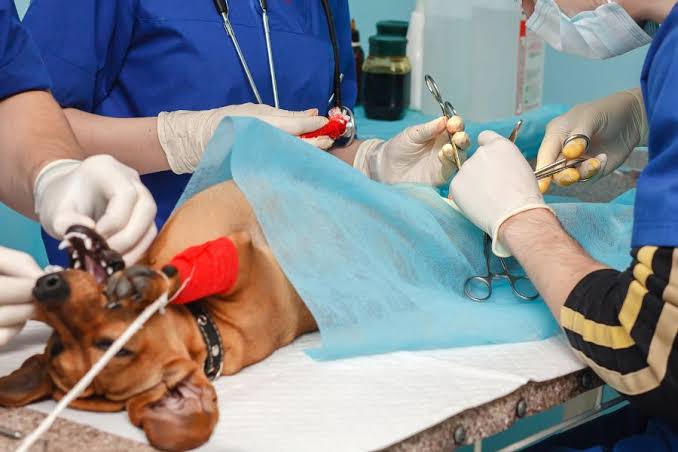
Hearing the word "surgery" for your dog or cat is stressful for any pet parent. The good news is that most veterinary surgeries today are safe, well-planned and routine, especially when they're done at the right time, in a properly equipped hospital, with the right monitoring in place. Knowing what the process looks like from the first consultation to the last stitch removal takes away most of the fear and helps your pet heal faster.
Surgeries pets commonly need
- Routine procedures: spaying and neutering, which also prevent several serious health problems later in life
- Soft-tissue surgery: removal of lumps and masses, wound repair, hernia correction, and bladder or kidney stone removal
- Emergency surgery: swallowed foreign objects, pyometra (infected uterus), bloat, and trauma from accidents
- Orthopaedic surgery: fracture repair, dislocated joints and ligament injuries
- Dental surgery: extractions of diseased or broken teeth
The surgical journey, step by step
Stage 1: Consultation & diagnosis
A full examination, with X-ray, ultrasound or lab tests where needed, confirms what's wrong and whether surgery is the best option.
Stage 2: Pre-operative preparation
Pre-anaesthetic blood work checks that your pet is fit for anaesthesia, and we give you clear fasting instructions.
Stage 3: The procedure
Your pet is anaesthetised and monitored throughout, with heart rate, oxygen levels and temperature tracked continuously.
Stage 4: Recovery & aftercare
Pain relief, close observation and a clear home-care plan help your pet get back on their paws safely.
Signs your pet may need a surgical opinion
- A lump or swelling that is new, growing, or changing in shape or colour
- Repeated vomiting, a swollen belly, or refusing food, which can mean a blockage
- Limping, or being unable to put weight on a leg after a fall or accident
- Straining to urinate, or blood in the urine
- Wounds that don't heal, or discharge from the skin
- An unspayed female who is lethargic, drinking a lot of water, or has a discharge
Preparing your pet at home
- Follow the fasting instructions we give you. The timing differs for adults, puppies and kittens, and pets with conditions like diabetes
- Tell us about every medicine, supplement or previous reaction to anaesthesia
- Keep your pet calm and comfortable the night before
- Arrange a quiet, warm, easy-to-clean space at home for recovery
Why pre-anaesthetic testing matters
Blood work shows how well the liver and kidneys are working, which affects how your pet processes anaesthetic drugs. It also picks up hidden problems like infection or anaemia before they become a risk. For older pets or those with existing conditions, we may add an ECG or chest X-ray. Tailoring the anaesthesia to each pet is the main reason modern surgery is safe, even for seniors.
Caring for your pet after surgery
What happens at home matters as much as what happens in the operating theatre. Most complications after surgery come from too much activity or interfering with the wound.
- Keep your pet resting, with no running, jumping or stairs until we clear it
- Use the e-collar (cone) at all times. Licking can open stitches or cause infection
- Give all medicines exactly as prescribed, and never give human painkillers like paracetamol or ibuprofen, which are toxic to pets
- Check the wound daily and keep it clean and dry
- Offer small, light meals first, then return to normal food gradually
- Come back for the follow-up visit and stitch removal, usually around 10 to 14 days later
Simple surgery preparation checklist
- Confirm fasting instructions with your vet
- Share your pet's medical history and current medicines
- Complete pre-anaesthetic blood work
- Set up a quiet recovery space at home
- Keep the e-collar on and restrict activity after surgery
- Book the follow-up and stitch removal visit
Worried about a lump, injury or upcoming procedure?
Our surgeons will examine your pet, explain every option clearly, and guide you through each step. Our ICU and ambulance run 24/7 for emergencies.
Call +91 81979 09066